A Preventive Health Education Initiative
Lucie Teen Health
A Preventive Health Education Initiative
A Preventive Health Education Initiative
Lucie Teen Health


Health education can be dull . . .

. . . Lucie Teen Health is different


Its content is vibrant and easy-to-understand


Data-driven design elements maximize retention



Issues can be self-paced for individual learning


Integrated activities boost engagement and critical thinking skills


The high-impact, contemporary design adapts to the digital generation

A Health Literacy Initiative
Lucie Teen Health


Lucie Teen Health is a resource for teens and young adults; it addresses youth-related health vulnerabilities and aims to build a strong foundation in disease prevention.
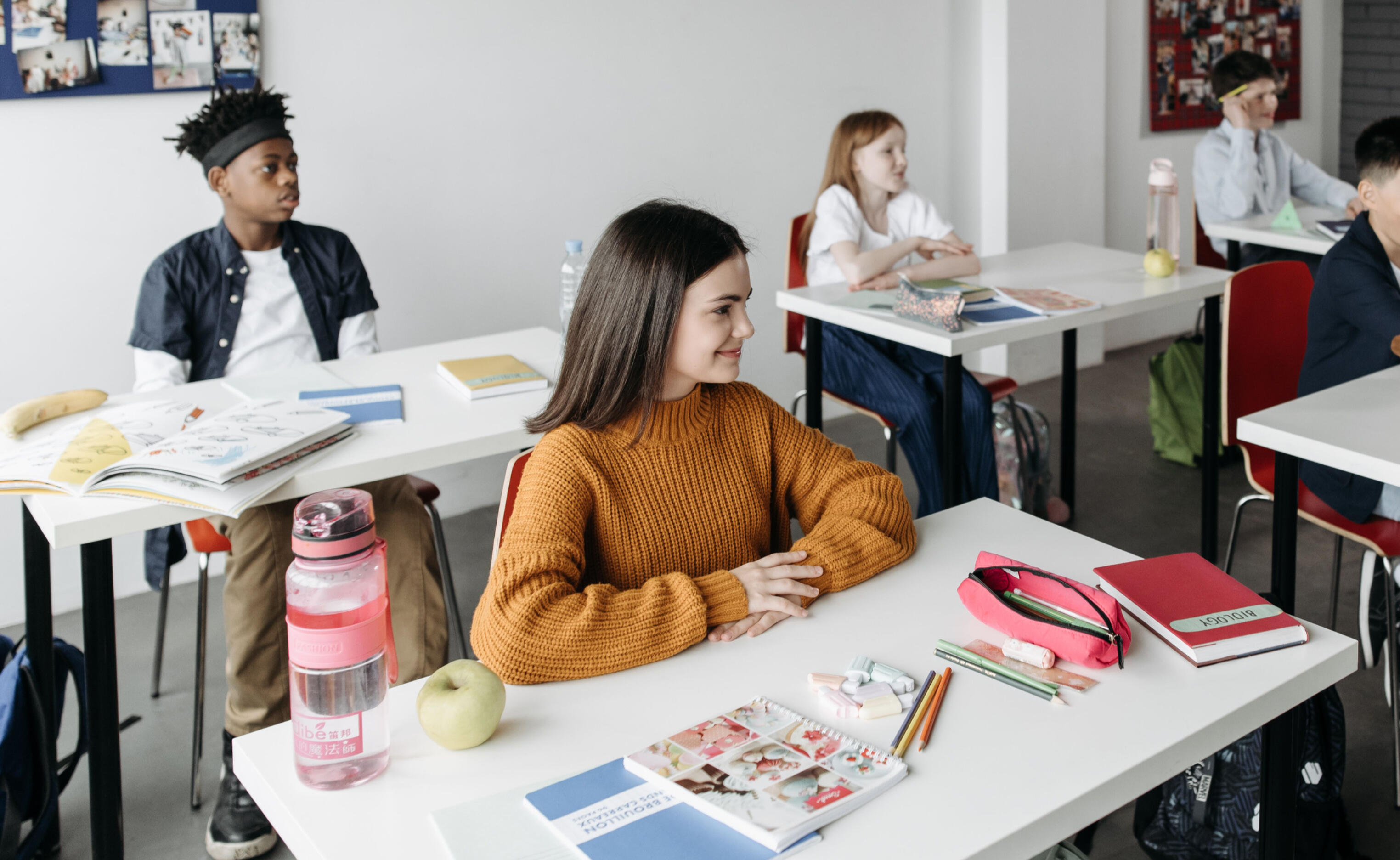
Subjects include:
Goal-Setting
Grooming & Hygeine
Infectious Disease
Medication Safety
Mental Housekeeping
Nutrition
Physical Fitness
Substance Abuse





Lucie Teen Health is published by Vangelus Health Press, a division of Pierre's Pills.

Pierre’s Pills
Pierre’s Pills is a pharmacist-founded health education initiative, dedicated to the St. Lucie patients we serve.
Chwazi Pierre
Chwazi Pierre
Chwazi Pierre provides health education in a format that respects the language and cultural preferences of the Haitian community.


Pierre's Pill Box
Pierre's Pill Box
Pierre’s Pill Box is a medication education resource designed to encourage the safe use of prescriptions.


Pulso Pierre
Pulso Pierre
Pulso Pierre provides health education in a format that respects the language and cultural preferences of the Latin American, Spanish-speaking community.


Lucie Teen Health
Eating plants on a regular basis is an important part of preventive health!

Preventive Health
Preventive Health
There are three types of preventive health behaviors . . .
When we practice primary preventive health we perform behaviors that help to prevent disease
When we practice secondary preventive health we detect a health condition early, before it gets too complicated to treat
When we practice tertiary preventive health, we start and continue treatments, to help delay disease progression
Preventive Health
Avoiding the use of harmful substances is an important part of preventive health!

Health Literacy
Health Literacy
Health literacy is the ability to find and understand accurate health information, as well as locate reliable health services, to use what we need to guide decisions about our health.
Health literacy is t item
Second item
Third item
Being literate in health requires reading comprehension, research-performing skills, as well as critical thinking skills.

Although health information can be easy to find online, not all content is trustworthy.

Some information can be presented to maximize views for financial rewards, from sponsored links or paid ads, rather than be presented for accuracy.
Health Literacy
Completing health-related critical thinking exercises helps us to improve our health literacy!

Medication Literacy
Medication Literacy
Correctly interpreting and following the directions on a medication label is an example of medication literacy.
Being engaged with our health, by knowing the names of the medications we take, the reasons we take them, as well as being able to ask any questions we have about them, is a sign of medication literacy.
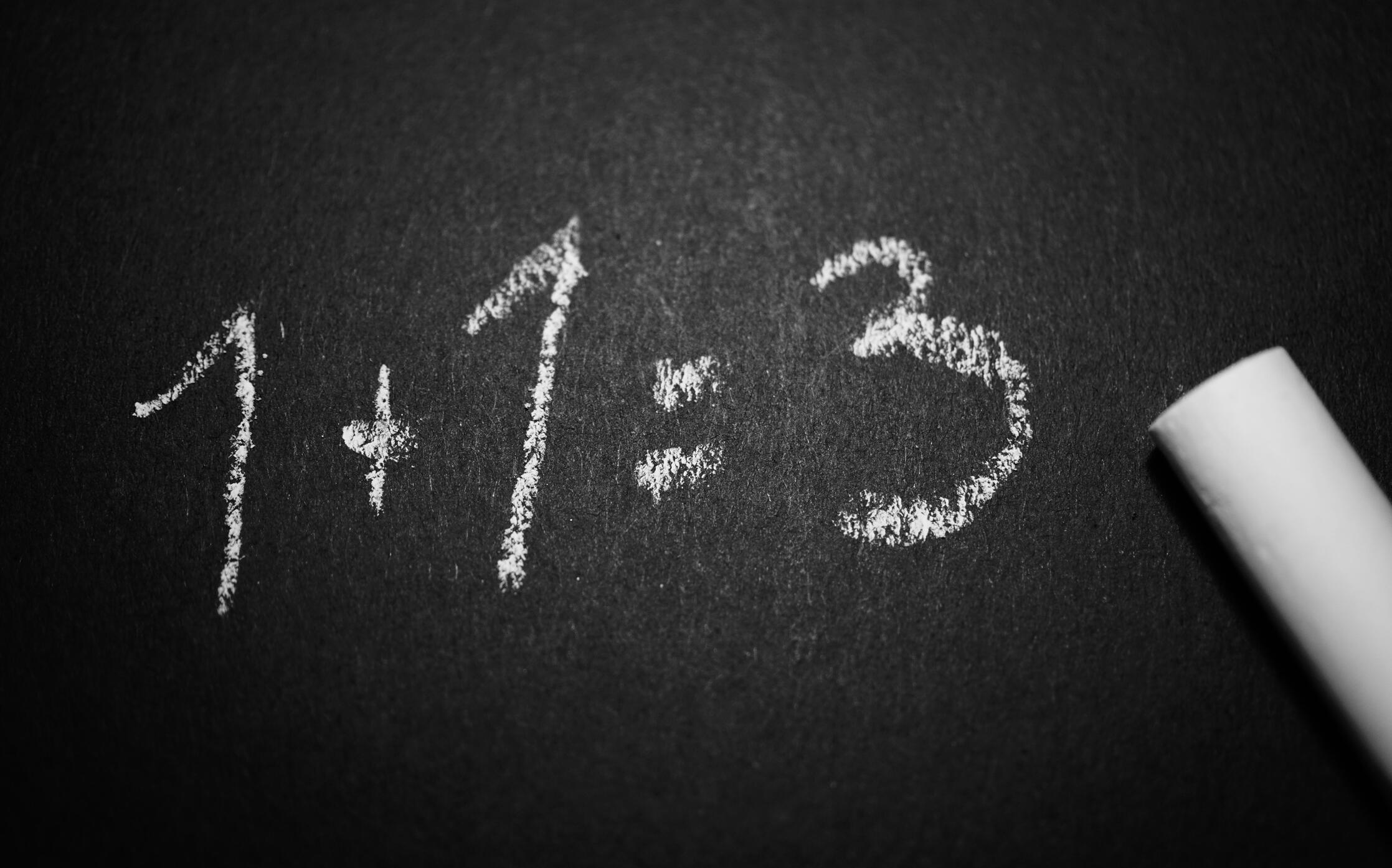
Some medications are only available in a certain strength or concentration; for the dose we need, we must sometimes use basic math skills.


Correctly performing medication calculations is a sign of medication literacy.
Lucie Teen Health resources are for general information only and should not be used as a replacement for medical or parental advice. Always consult a qualified and appropriately credentialed professional before making any changes to your diet, lifestyle, recreational habits, medications, supplements or any other health component. Viewers and readers are responsible for their own actions, interpretations and health.


Lucie Teen Health



Did You Know?
A health literacy resource focuses on helping people access, understand, evaluate, and use health information to make informed decisions, while a health education resource provides structured learning materials to teach specific health topics or skills